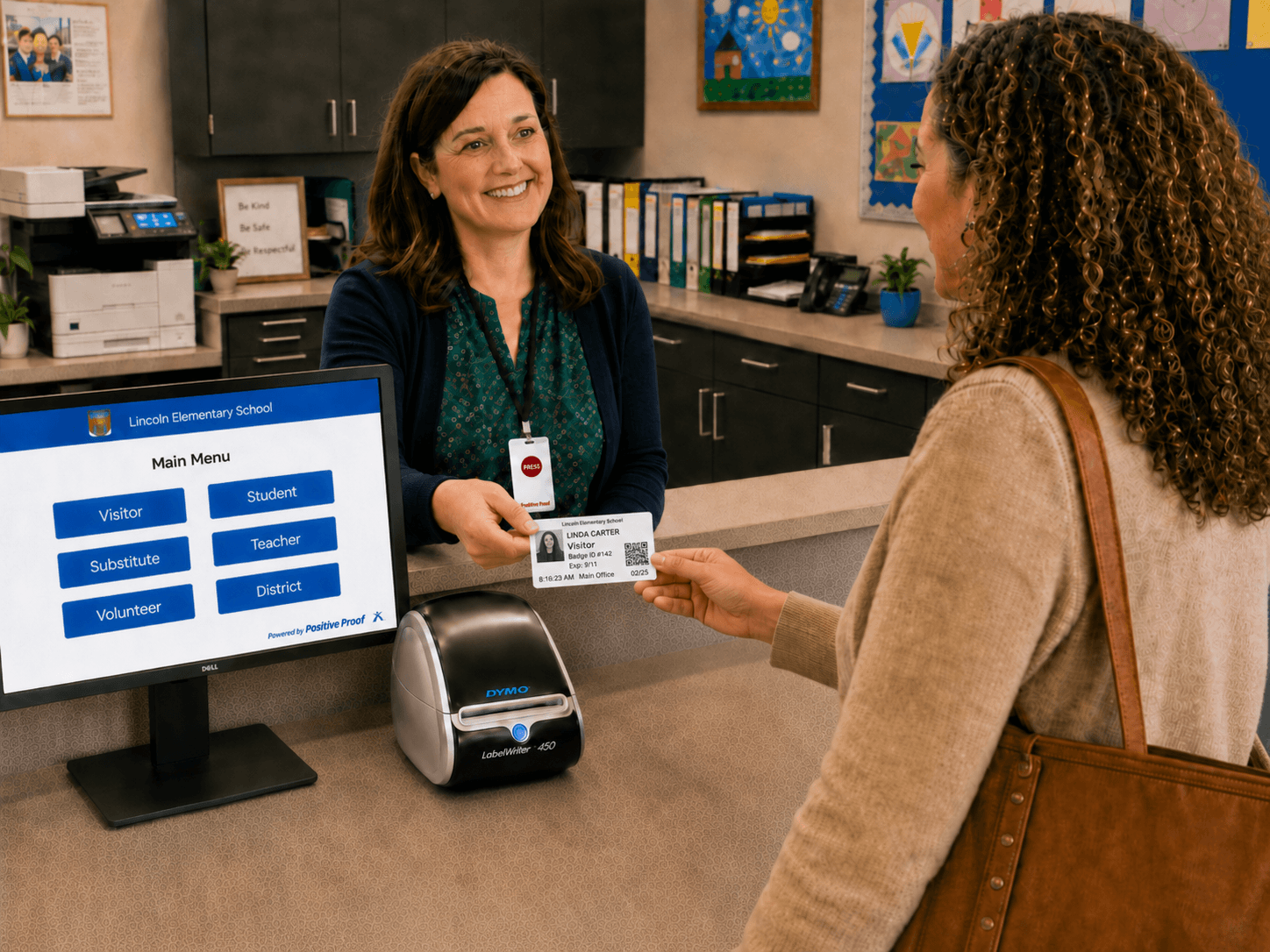
K-12 Schools
Detect a shot anywhere on campus — inside or outside — and trigger law enforcement notification and lockdown protocols in under two seconds, without waiting for a staff member to make a call.
Explore K-12 →Positive Proof gunshot detection confirms a gunshot on campus and notifies law enforcement in under two seconds — automatically triggering alerts and lockdown protocols before any staff member has time to make a phone call.
THE PROBLEM
The FBI studied 160 active shooter incidents in the United States from 2000 to 2013, in all kinds of places, not only schools: 39 of them happened at schools or colleges. Of the 63 incidents whose duration could be determined, 44 (69%) ended in 5 minutes or less, and 60% of all 160 ended before police arrived. A school gunshot detection system removes the wait for someone to recognize the shot and call 911.
Without automatic detection, the response starts with a person. Someone has to recognize the sound as a gunshot, get to a phone, reach 911, and describe what happened and where. In a loud school building, under extreme stress, or where the witness cannot safely make a call, that takes longer. Or it doesn't happen at all.
In a phone-call response, dispatch has to receive the call before police can be sent. Every second spent recognizing the shot and placing the call comes out of a window that is already short. In the same FBI study, 23 of those 63 incidents ended in 2 minutes or less.
Beyond the active threat scenario, gunshots on or near campus from external incidents require fast, accurate identification to trigger an appropriate response. Human detection is inconsistent and subject to misidentification. Dual-signal detection confirms a gunshot the moment it happens — correlating the audible spike with the air-pressure change a shot produces — and fires a response automatically.
A shot is fired in a school building and the response waits for someone to recognize it and call 911
Law enforcement arrives without knowing where the shot came from and must search the building while the threat is active
A shot near campus goes undetected for minutes because no staff member was positioned to hear it clearly
An incident occurs in an area of campus — gymnasium, parking lot, portable classroom — where staff presence is low
HOW IT WORKS
Dual-signal detection to law enforcement notification in under two seconds — no human in the loop required.
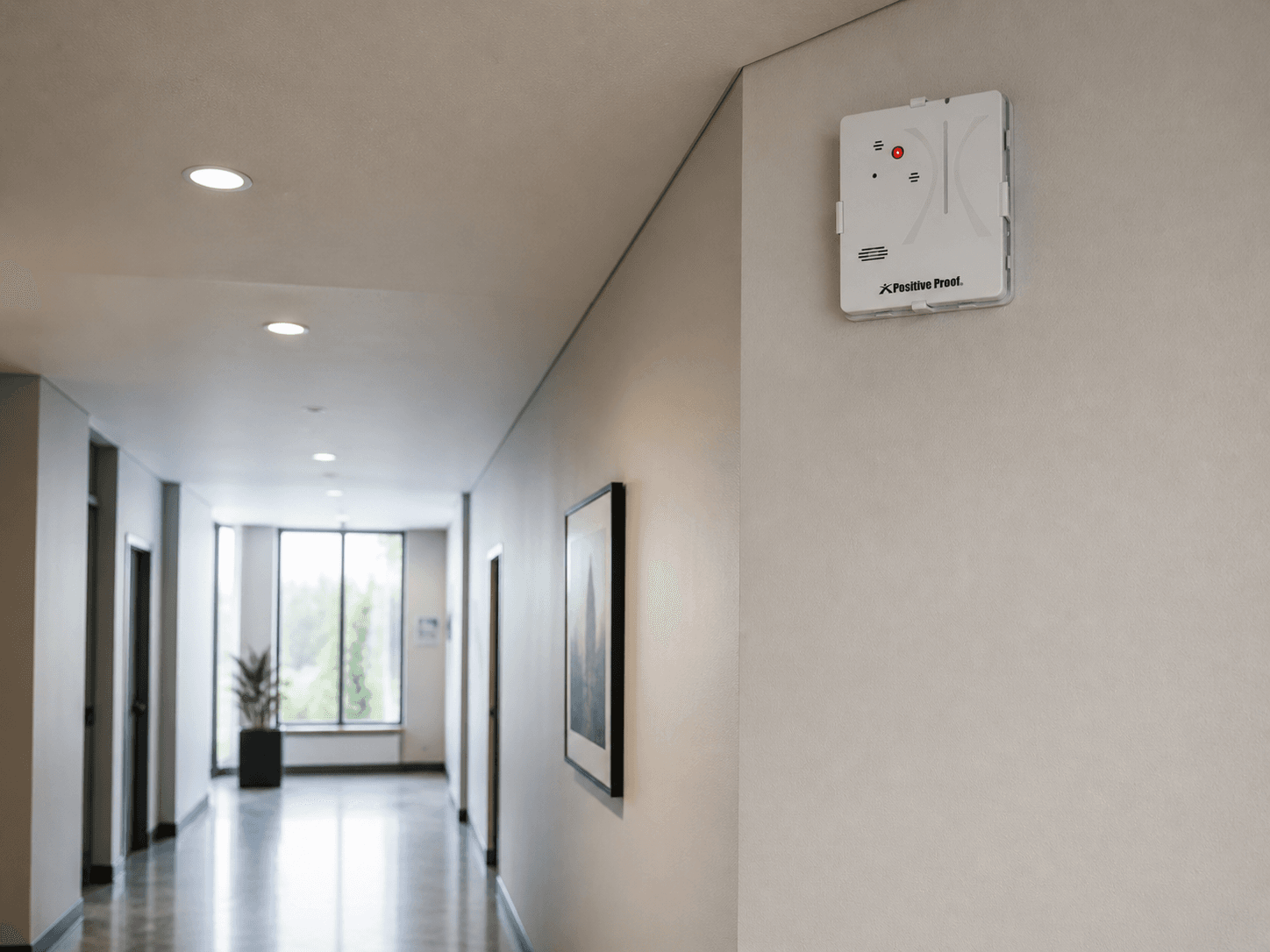
Dual-signal sensors installed throughout the facility monitor continuously. A gunshot produces both an audible spike and an immediate air-pressure change — the system confirms both signals together and registers the event in real time, no human trigger required.
Sensors are installed across the facility. When one detects a shot, the alert identifies its area — building, wing, floor, or outdoor zone — so responders know where to go.
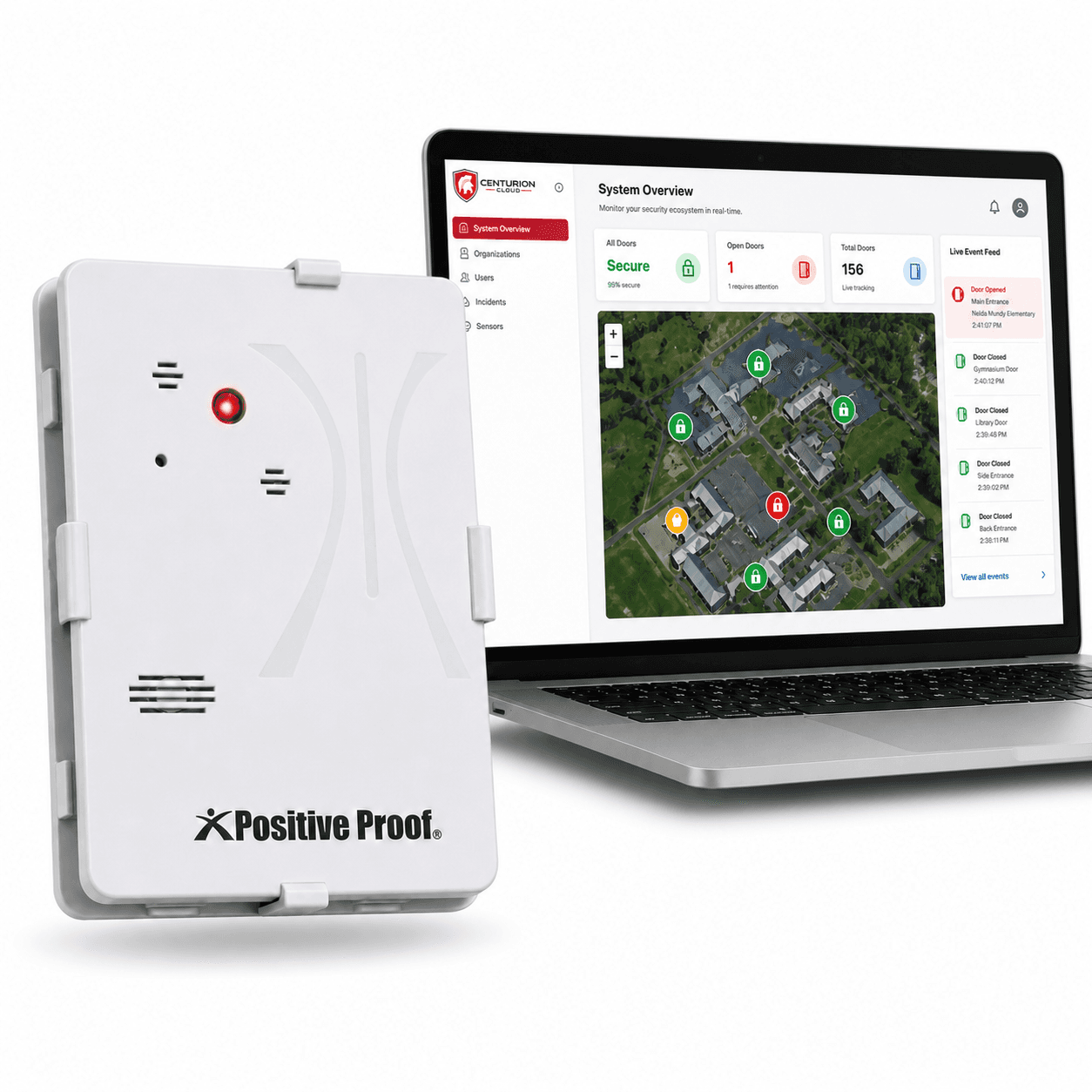
Simultaneously: administrators receive a platform alert with the detection area, all staff devices receive notification, PA announcements can trigger automatically, and law enforcement receives direct notification with the campus area.
Configured automated protocols — lockdown commands, door locking, PA announcements — execute simultaneously with the alert. Law enforcement arrives knowing the detection area, not just a street address.
WHO IT SERVES
Gunshot detection removes human delay from the most critical moment in any security event.
Detect a shot anywhere on campus — inside or outside — and trigger law enforcement notification and lockdown protocols in under two seconds, without waiting for a staff member to make a call.
Explore K-12 →
Secure courthouses, administrative buildings, and public service offices where threat incidents require immediate law enforcement notification and documented response protocols.
Explore Government →
Protect congregants and staff at religious facilities where public access and community gatherings create exposure to active threat events.
Explore Places of Worship →Deployed across all 13 industries served by Positive Proof. View all industries →
COMPARE THE OPTIONS
These three technologies are easy to confuse, but they detect different things at different moments. Weapons screening looks for a concealed weapon at the entrance. Camera gun detection looks for a weapon that a camera can see. Gunshot detection responds once a gun is fired. The Partner Alliance for Safer Schools (PASS) describes all three and recommends a layered approach.
| Technology | What triggers it | When it works | What it cannot see | What it needs on site |
|---|---|---|---|---|
| Weapons screening (walk-through metal detectors and weapons detectors) | Metal on a person or in a bag as they walk through. Weapons detectors also judge an object's size, shape and density. | At the entrance, before a weapon gets inside | A weapon brought in through an entrance that is not screened. Laptops and other metal items can still set it off and need a manual search. | At least two trained staff per screening lane, and time at arrival, because screening can slow entry |
| Camera gun detection (brandished weapon detection) | Software that recognizes a handgun, rifle or large knife in a security camera's image | When someone carries a weapon openly in a camera's view | A concealed weapon, under clothing or in a bag. Detection also depends on the camera's view and lighting. | Cameras of at least 720p (PASS prefers 1080p or higher), good lighting, and at least two trained staff watching at busy times, or a monitoring service, to check every alert |
| Gunshot detection | The sound of a gun being fired. Positive Proof confirms it only when an audible spike and an air-pressure change occur together. | Once a shot is fired, indoors or outdoors | A weapon that has not been fired. A gun must be fired before the system responds. | Sensors through the building and the outdoor areas you choose, connected to the alerts and lockdown steps you want it to start |
CISA's school security guide lists what entry screening depends on and what it costs a school: staff to operate the devices, policies for what they find, a less welcoming entrance, and the high cost of the technology.
Positive Proof gunshot detection is the layer that responds after a shot. It does not detect a carried or concealed weapon, and it does not replace entry screening, panic buttons or lockdown drills. What it adds is time: it confirms the shot and notifies law enforcement in under two seconds. Positive Proof is one of the only systems available that combines gunshot detection and panic alerts in a single unified system, so a staff alert and a detected shot start the same response.
Sources: Partner Alliance for Safer Schools, What Is Weapons Detection? (white paper) · CISA, K-12 School Security Guide, 3rd Edition
CAPABILITIES
Positive Proof gunshot detection combines dual-signal sensors throughout the facility — confirming a gunshot only when an audible spike and an air-pressure change occur together — area-level location that identifies where a shot was detected, under-two-second notification from shot confirmed to alert delivered, automatic law enforcement notification (no 911 call required), automated lockdown protocols, and two-factor confirmation that rejects sound-only events like slamming doors and amplified music.
<2
Seconds to Notify
From shot confirmed to law enforcement alert
0
Phone Calls Required
Law enforcement notified automatically with the detection area
25+
Years Deployed
In K-12 schools and facilities nationwide
BUYER'S CHECKLIST
A gunshot detection system is only as useful as the response it starts. Bring these seven questions to any vendor demonstration, including ours.
Ask what the system must sense before it alerts, and what happens with slamming doors, dropped objects and amplified music. Positive Proof registers a gunshot only when an audible spike and an air-pressure change occur together.
Corridors, gymnasiums and classrooms, and also parking lots, athletic fields and portable classrooms. Ask whether indoor and outdoor sensors report into one detection and alert system.
Responders need the building, wing, floor or outdoor zone, not only the street address.
Ask whether law enforcement is notified automatically or only after someone reviews the alert, and how long each step takes.
Staff devices, PA announcements, strobes, panic alerts and lockdown commands, plus automated door locking where it is integrated with compatible access control.
Ask for a site assessment, a sensor placement plan and how the sensors connect. Most Positive Proof deployments can be completed without major construction.
The COPS Office School Violence Prevention Program funds “technology for expedited notification of local law enforcement during an emergency” and requires a local cost share of at least 25 percent. Confirm in the current funding notice whether your purchase qualifies. See school safety grants and funding.
SEE IT IN ACTION
A demo takes less than 30 minutes and includes a live demonstration of dual-signal detection, alert transmission, and automated response protocols.
PART OF A UNIFIED SAFETY PLATFORM
Gunshot detection responds to the worst-case scenario — these solutions build the layers before it gets there within one unified platform.

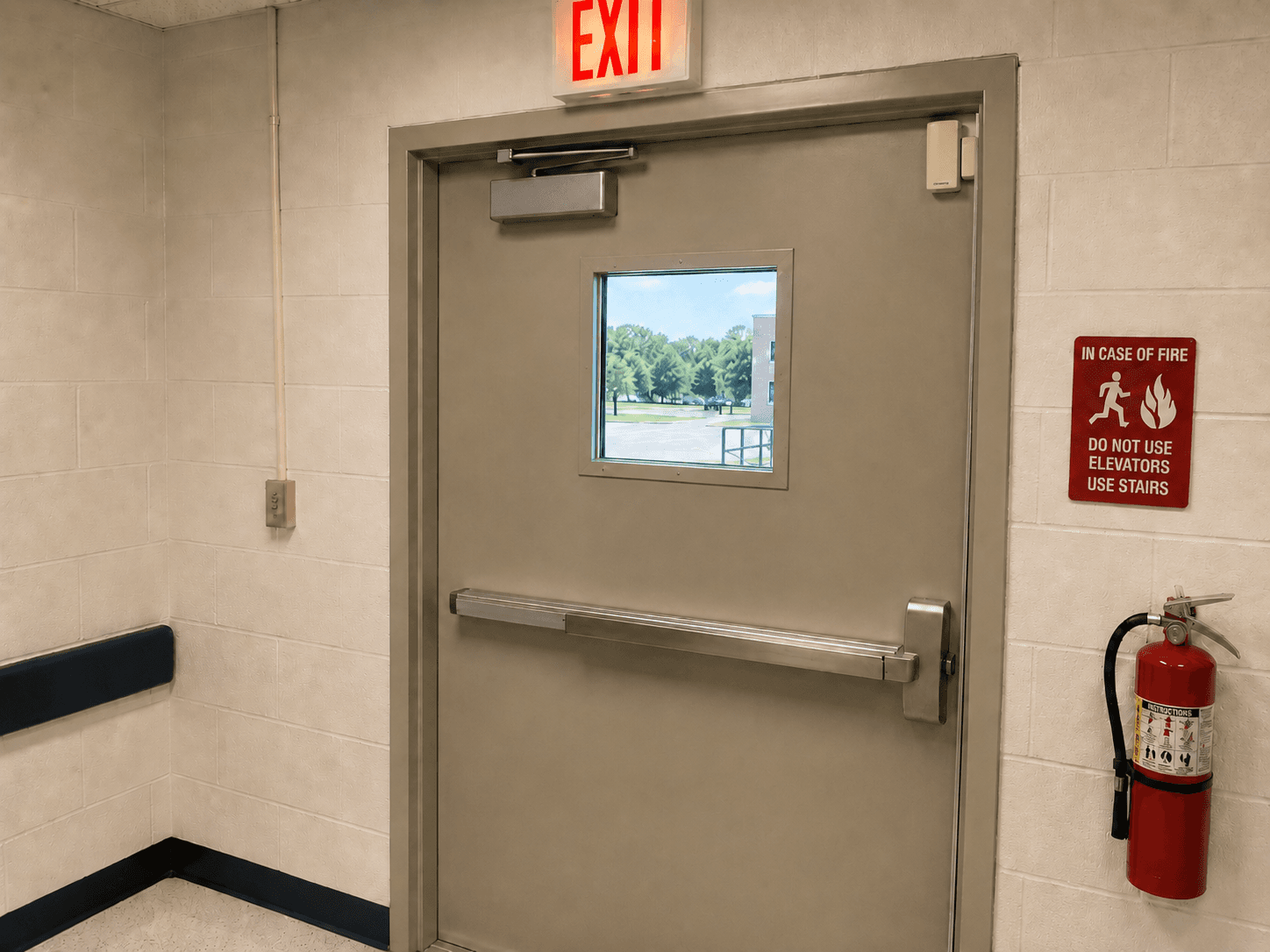
Gunshot detection responds when a threat is inside. Door monitoring is how you know the moment an unauthorized entry point is breached.
Explore Door Monitoring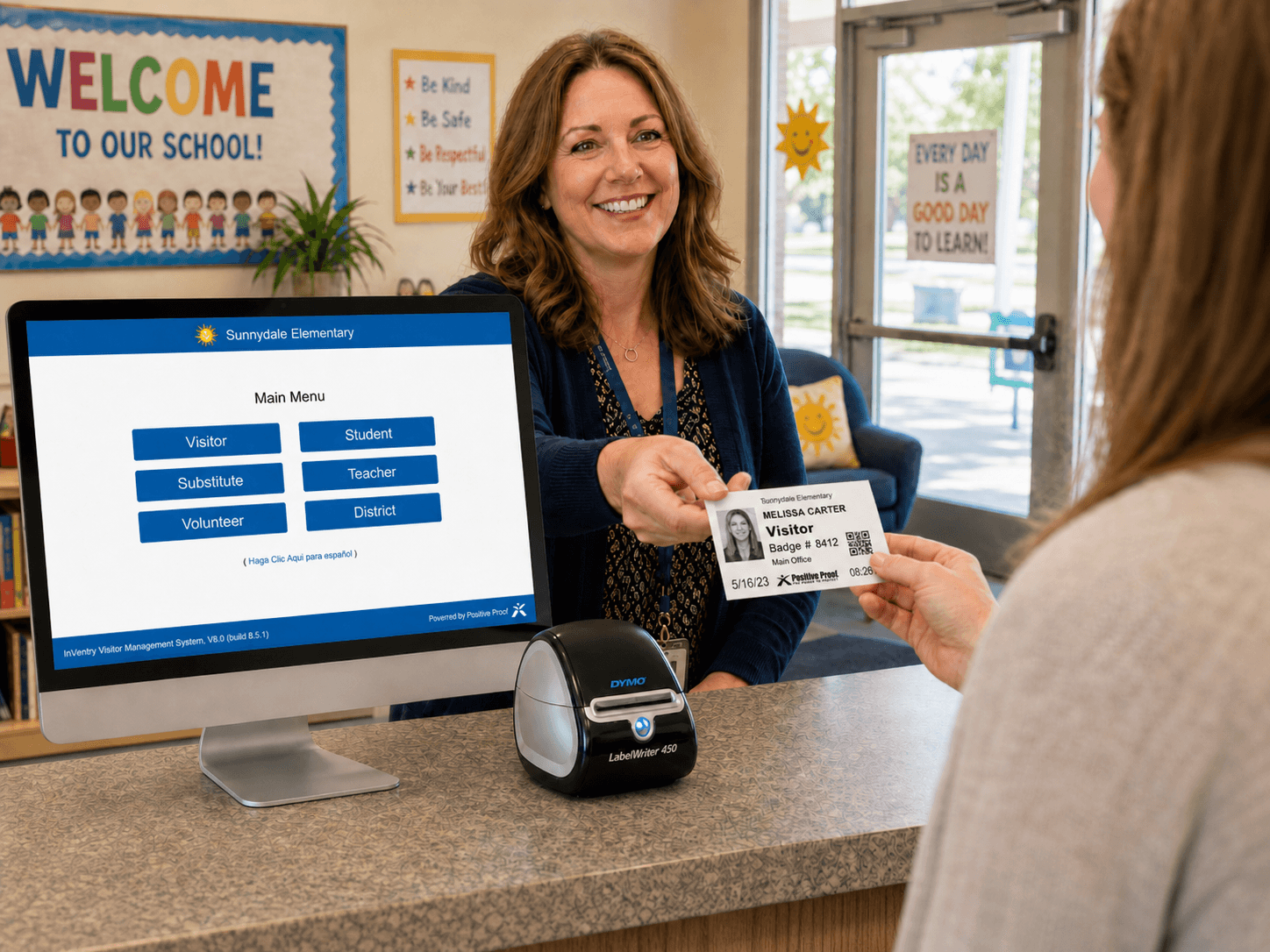
The most effective gunshot detection is never needing it. Visitor Management screens threats before they reach campus.
Explore Visitor ManagementFAQ
Everything you need to know before requesting a demo.
READY TO GET STARTED
Join the schools and facilities that have trusted Positive Proof for over 25 years.
Request a DemoOr contact us directly