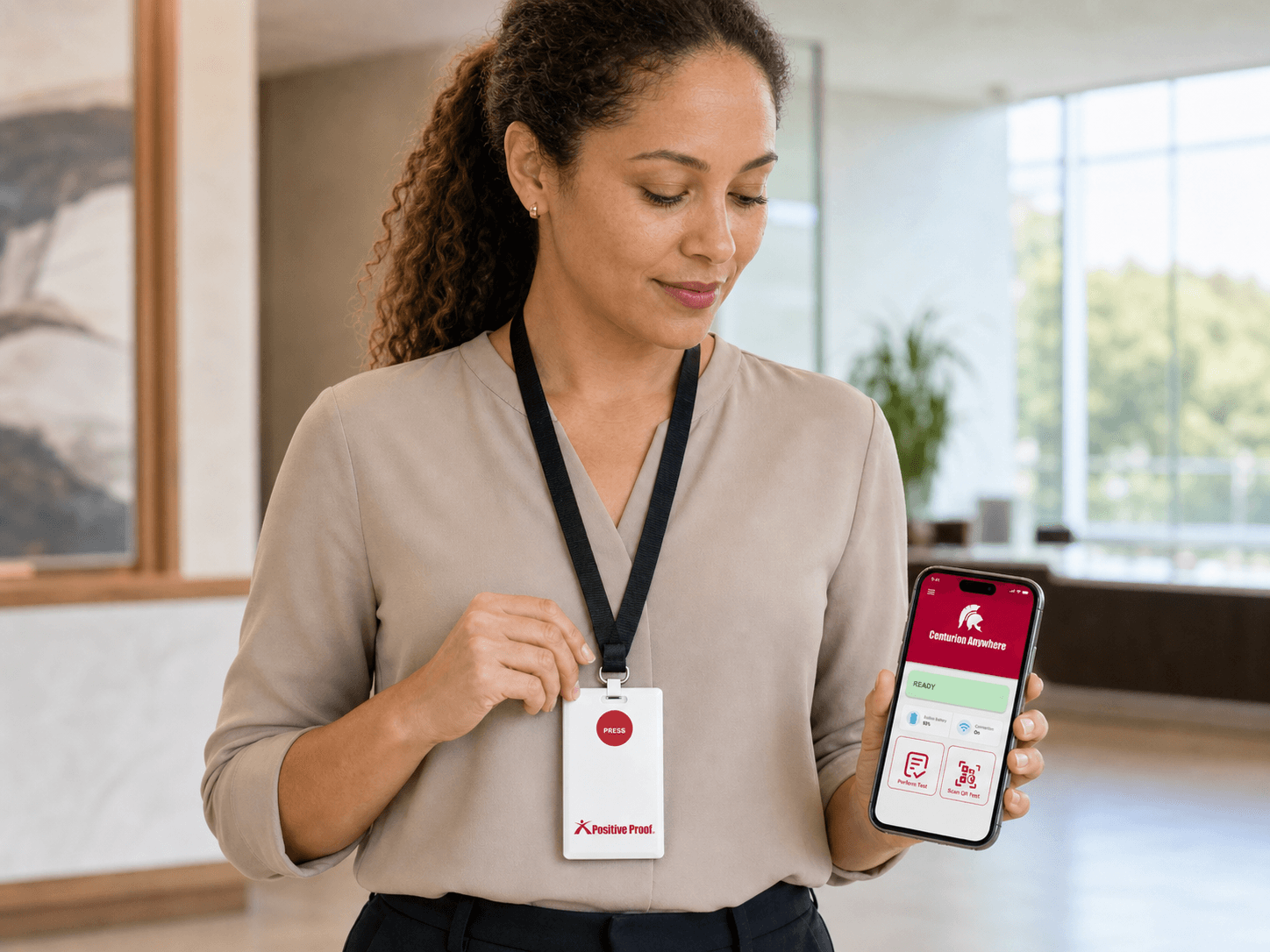
Panic Buttons
Silent wearable duress alert — no visible movement, 2-second response
Explore Panic ButtonsThe Bank Protection Act requires every FDIC-insured institution to implement a written security program — and tellers, loan officers, and branch staff need a silent duress alert that works without visible movement. Positive Proof delivers 2-second alerts that work across the branch — including vault rooms and basement dead zones where cellular-dependent systems fail — on a facility-deployed network, with an automatic incident log for your compliance file.
Request a Demo
THE FINANCIAL INSTITUTION ENVIRONMENT
Banks and credit unions are among the most regulated environments in the country for physical security — and still among the most vulnerable. The Bank Protection Act (12 U.S.C. § 1882) requires every FDIC-insured institution to designate a security officer and maintain a written security program that documents robbery deterrence, alarm systems, employee training, and incident response. Yet most branch alarm infrastructure depends on hardwired panic strips, memorized duress codes, and teller cash drawer bait packs — all of which require deliberate, visible action at the moment of highest danger. A wearable panic button for banks changes that equation entirely.
The failure mode is well understood. A teller or loan officer facing an active threat cannot reach a hardwired panic strip without drawing attention, cannot recall a duress code under stress, and cannot unlock a phone to activate an app-based alert. Silent wearable activation — a discreet press of a badge-worn device — is the only approach that works without visible movement. Yet most financial institutions have not updated their alert infrastructure beyond the legacy systems installed during branch construction. After-hours vault access, armored car deliveries, and safe deposit room operations create additional exposure windows that traditional alarm systems were not designed to cover.
Regulatory pressure is intensifying. 12 CFR Part 326 specifies FDIC physical security requirements including controlled access, alarm systems, and documented employee training. FFIEC examination guidelines require evidence of duress code protocols, silent alarm redundancy, after-hours vault access controls, and incident response documentation. An examination finding that identifies a gap in the written security program — or a robbery that exposes inadequate alert infrastructure — creates board-level visibility and remediation timelines that are difficult to manage reactively. The right system prevents the finding. It also creates the audit trail that proves compliance.
After-hours vault access, armored car deliveries, and safe deposit operations create high-risk windows outside normal branch hours when staff have limited backup
Legacy panic strips and duress codes require deliberate visible action — exactly what staff cannot safely perform during an active robbery or confrontation
Bank Protection Act and 12 CFR Part 326 require annual written security program review with documented alarm systems, employee training, and incident response records
WHAT'S AT STAKE
Each scenario represents a documented gap in legacy bank alarm infrastructure — and a direct line to regulatory exposure or staff harm.
POSITIVE PROOF FOR FINANCIAL INSTITUTIONS
One platform protects branch staff with silent duress alerts, monitors every access point in real time, and screens contractors and visitors before they reach secure areas.
Silent wearable duress alert — no visible movement, 2-second response
Explore Panic Buttons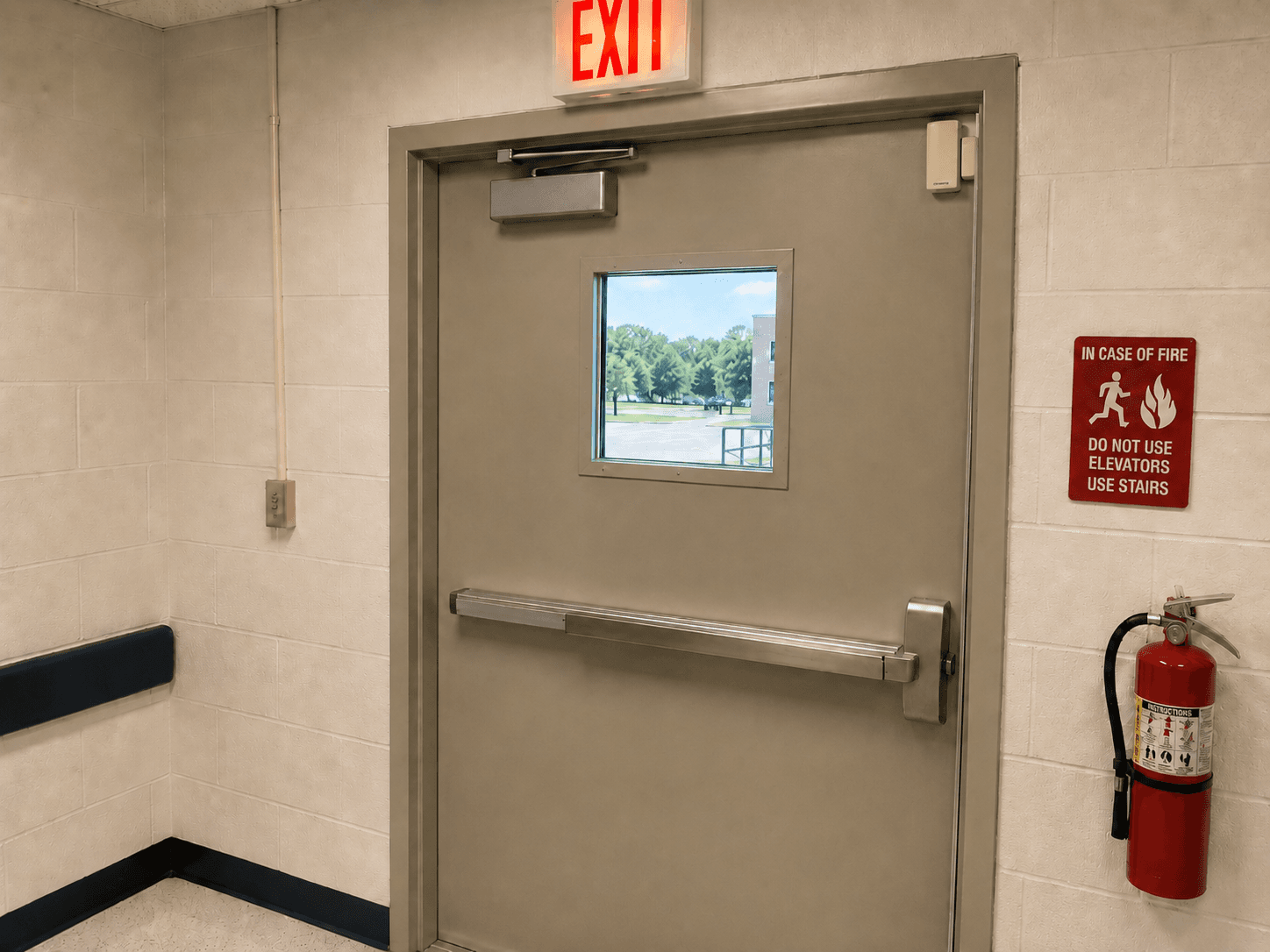
Real-time alerts for vault rooms, teller areas, and after-hours access points
Explore Door Monitoring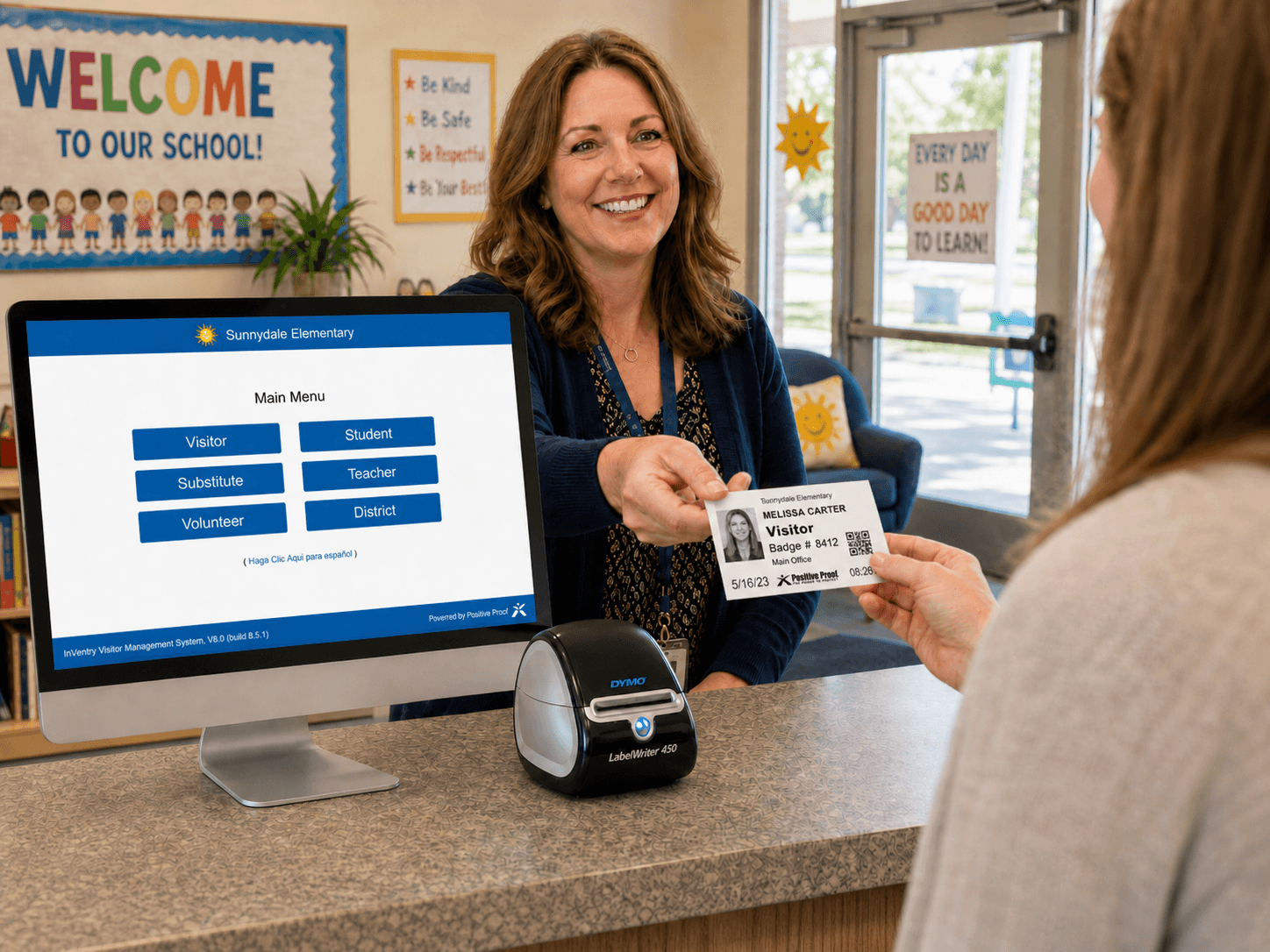
Credential and log every contractor, vendor, and authorized visitor
Explore Visitor ManagementFour outcome areas that matter most to bank security officers, branch managers, and compliance teams.
2 Sec
Alert-to-Responder Time
25+
Years in Security
96–98%
Staff Report Feeling Safer After Deployment
A 30-minute demo is configured to your branch count, vault layout, and existing security infrastructure.
Request a DemoWhat branch managers, security officers, and compliance teams ask before evaluating staff duress systems.
One provider for staff duress alerts, door monitoring, and contractor access documentation.
Request a Demo