Panic Buttons
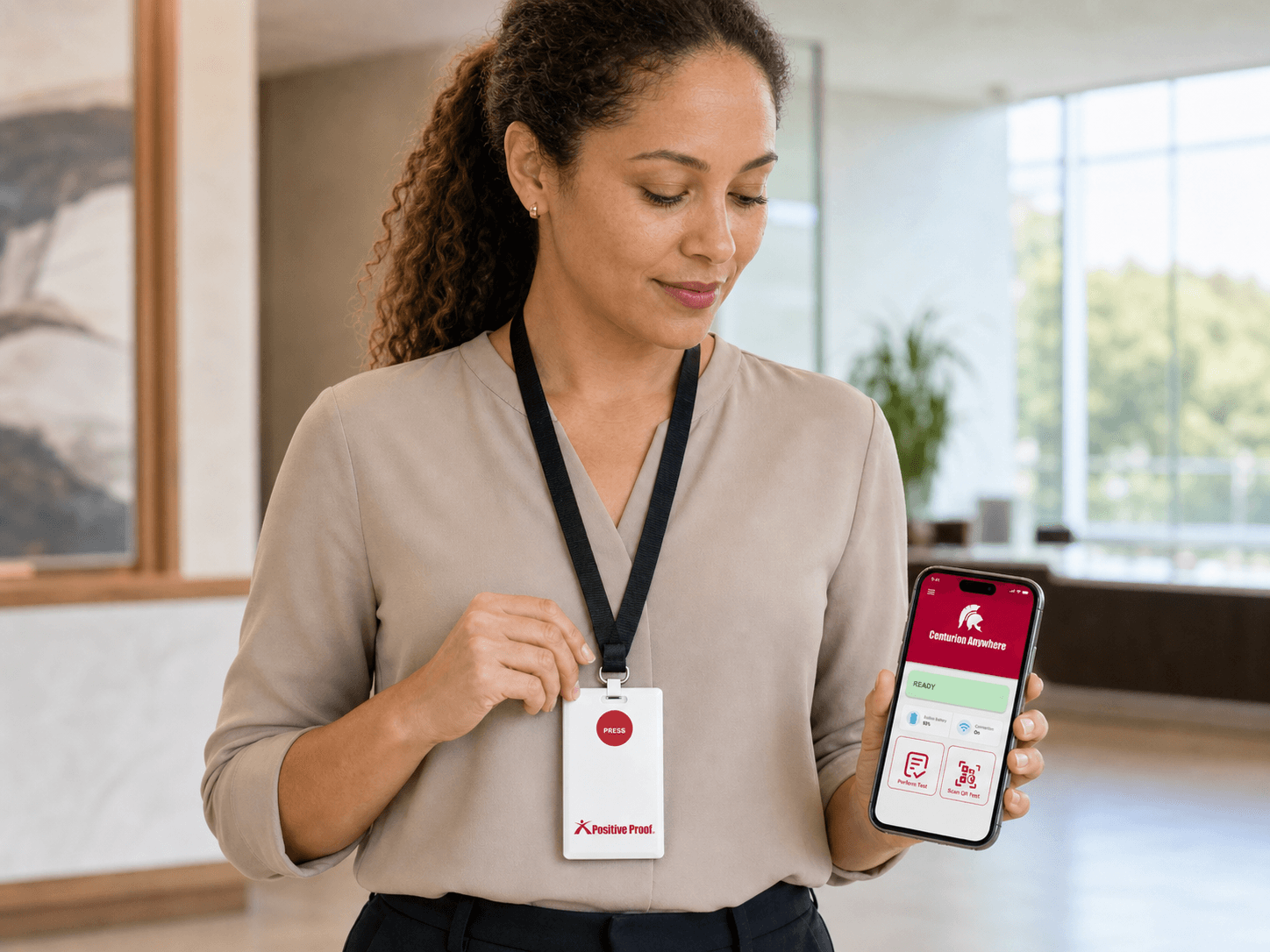
Wearable lone worker alert — silent activation, GPS to dispatch, travels into the field
Explore Panic ButtonsResearch consistently finds that 50 to 90 percent of social workers experience assault, harassment, or threats during their career. Caseworkers, home visitors, and adult protective services staff work alone in client homes and community settings without the safety infrastructure of an office. Positive Proof delivers wearable panic buttons that travel with staff into the field — a silent press sends an alert with GPS location over the strongest available signal, with check-in protocols backing up the true dead zones.
Request a Demo
THE SOCIAL SERVICES ENVIRONMENT
Child welfare caseworkers, adult protective services staff, home visitors, and probation officers spend their entire shift working alone in client homes, community settings, and unfamiliar environments — without the safety infrastructure of a fixed office. A national study found that 70 percent of front-line child welfare workers had been victims of workplace violence. Research on probation officers found that more than 20 percent had experienced physical assault during their careers. Social workers routinely encounter clients with histories of violence, substance use, or mental health crises — in private settings where no colleague is present and help may be minutes away.
The safety tools most agencies rely on are not built for this environment. Phone-app panic systems require the worker to pull out and unlock a phone to call for help — exactly the motion that, during a home visit, undermines the clinical relationship and signals distraction. Cellular-dependent systems fail in basement apartments, rural counties, and older building stock where signal is weak or absent. Check-in systems alert a supervisor after a window expires — not in the moment a confrontation begins. A wearable badge device that a caseworker can activate silently without touching a phone is the only form factor that works in the context of a home visit.
Legislative and regulatory pressure is growing. New York State legislation (SB 6987/AB 7833) requires city and county social services districts to provide wearable or mobile panic buttons to every employee whose role includes direct client interaction in external settings — clients' homes, hospitals, schools, childcare centers, and community locations. The OSHA General Duty Clause applies to home-based work: employers must identify and mitigate recognized hazards, and client-perpetrated violence during a home visit is a documented recognized hazard. New Jersey implemented alert pendants and Human Services Police Force protocols for child welfare workers following a 2014 attack on a caseworker. Vermont and Kentucky enacted safety requirements after caseworker homicides. The regulatory floor is rising.
70% of front-line child welfare workers have been victims of workplace violence — home visits create daily lone worker exposure with no colleague present and no fixed safety infrastructure
New York SB 6987 requires social services agencies to provide wearable panic buttons for employees doing field work — and OSHA's General Duty Clause applies to client home visits nationwide
Pulling out a phone to open an app undermines the clinical relationship during a home visit — and cellular dead zones in basement apartments and rural areas cut off transmission for any device
WHAT'S AT STAKE
Each scenario is drawn from documented patterns in child welfare and home-based services — and represents a direct line to worker harm, turnover, or OSHA exposure.
POSITIVE PROOF FOR SOCIAL SERVICES
One platform covers every layer of social services safety — wearable panic buttons that work in the field, federal funding guidance, and real-time door monitoring for agency offices.
Wearable lone worker alert — silent activation, GPS to dispatch, travels into the field
Explore Panic Buttons
Title XX, DOJ OVC, and VAWA grant programs that fund social worker safety infrastructure
View Funding Guide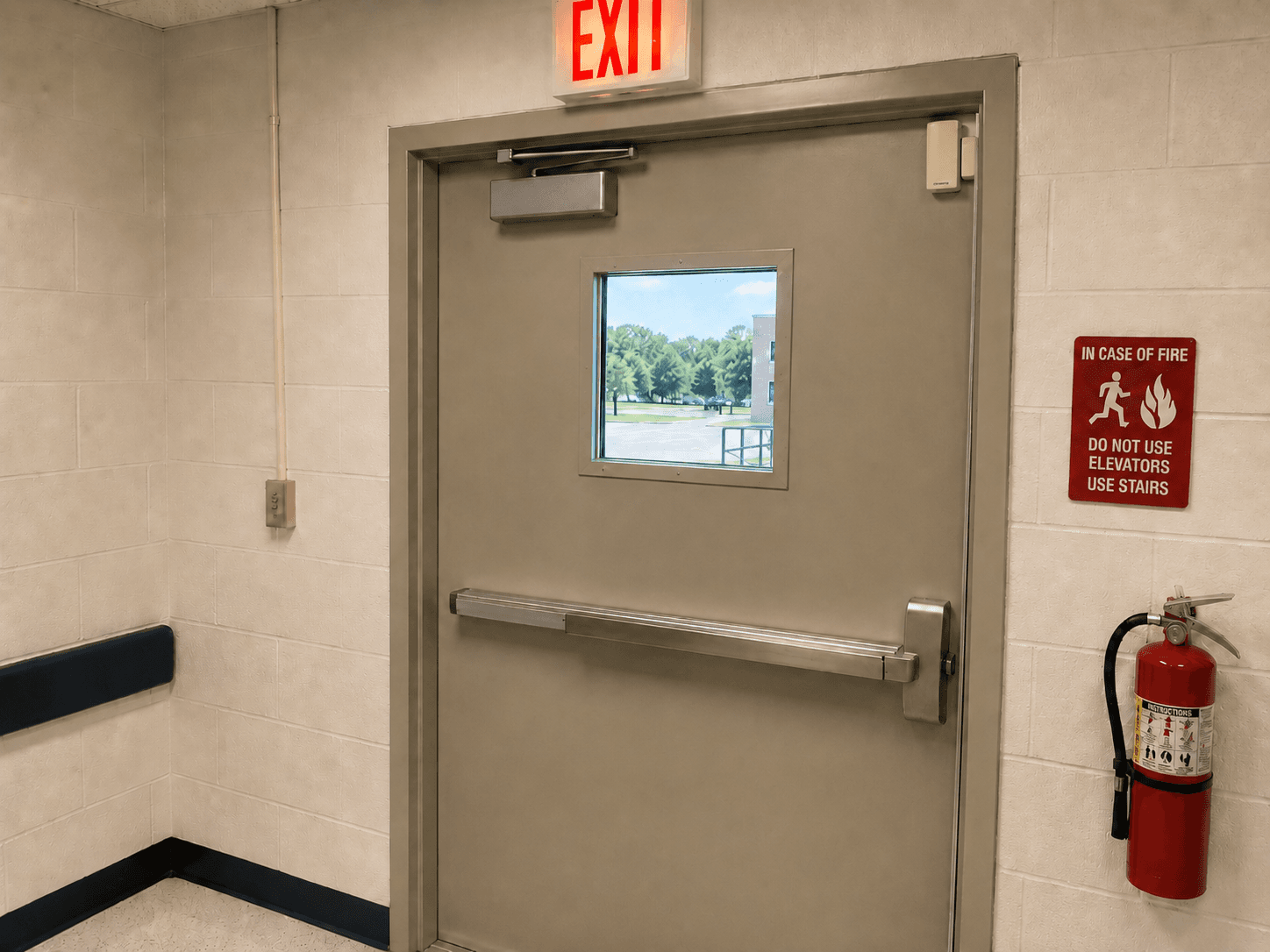
Real-time alerts for agency offices, interview rooms, and back-office access points
Explore Door MonitoringFour outcome areas that matter most to agency directors, HR directors, and safety coordinators managing lone worker risk.
2 Sec
Alert-to-Responder Time
25+
Years in Security
96–98%
Staff Report Feeling Safer After Deployment
A 30-minute demo is configured to your agency size, field worker roles, and existing safety infrastructure.
Request a DemoWhat agency directors, HR managers, and safety coordinators ask before evaluating lone worker safety systems.
One platform for wearable worker alerts, federal funding guidance, and office door monitoring.
Request a Demo